Bermuda Mowing Frequency During Peak Growth
Why Once a Week Falls Behind in July
Buffalo Outdoor • July 2026 • Fort Worth, TX
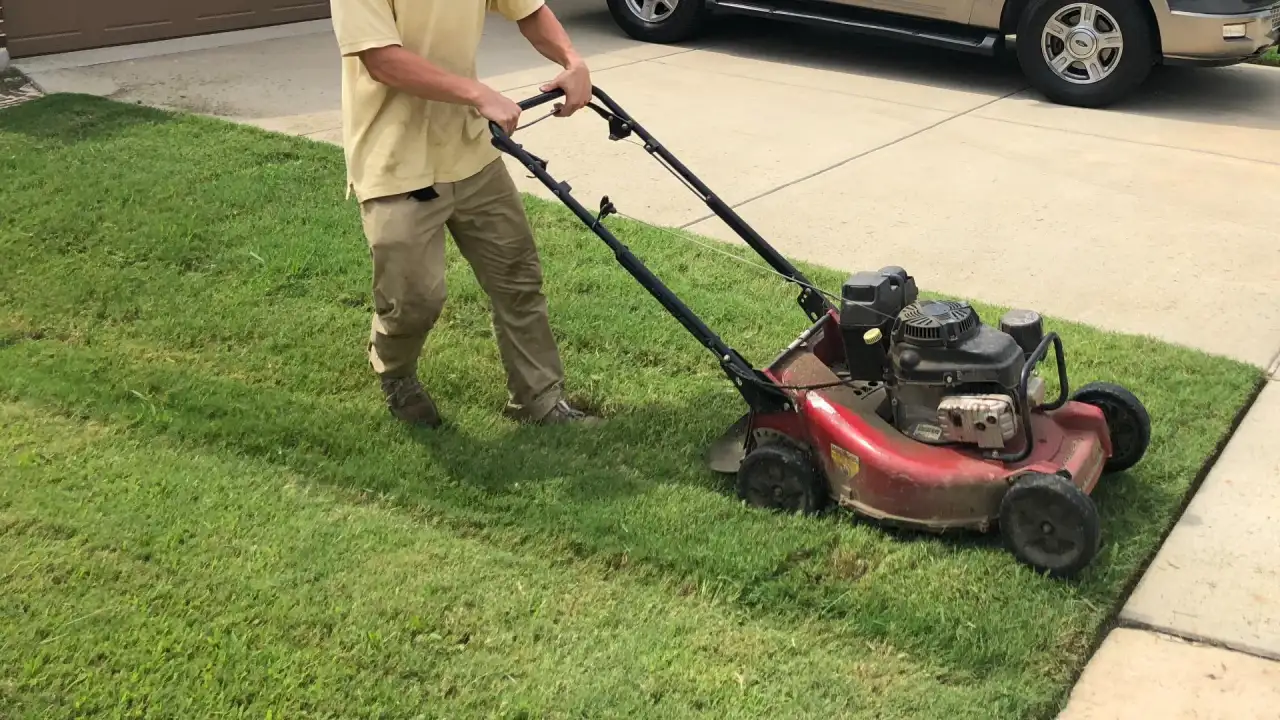
The Short Answer
Irrigated Bermuda lawns in the Fort Worth area double their growth rate during July heat compared to spring. The weekly mowing schedule that worked in April leaves you scalping the lawn every cut in July, which causes stress, browning, and weed pressure. The right approach is mowing every four to five days at a height of two and a half to three inches, removing no more than one third of the blade per cut, with sharp blades. Clippings can be returned to the lawn as long as they distribute evenly.
Why Bermuda Grows So Fast in July
Peak Growth Conditions
Bermuda is a warm-season grass that hits peak growth when soil temperatures are above 80 degrees and water is available. North Texas July provides both consistently — an irrigated Bermuda lawn can put on three quarters of an inch to a full inch of vertical growth per week.
Spring vs. Summer Growth Rate
In spring, the same lawn might grow only a half inch per week. The mowing schedule that kept up with spring growth simply cannot keep up with summer growth. A weekly schedule falls behind almost immediately once July heat arrives.
The One-Third Rule
Cutting more than one third of the leaf blade in a single pass shocks the plant, exposes the crown to direct sun, and triggers a stress response that pulls energy from root development. A lawn scalped every weekly cut spends the summer in chronic stress.
The Right Mowing Frequency for July Bermuda
For most Fort Worth area Bermuda lawns at 2.5 to 3 inches, the right July schedule is every four to five days. Some properties with heavy irrigation or rich soil push to every three or four days during peak growth.
Every 4–5 Days
Standard schedule for most Fort Worth Bermuda lawns at 2.5–3 inch height during July peak growth.
2.5–3 Inches
Optimal mowing height for residential Bermuda through summer heat in North Texas.
No More Than 1/3
Never remove more than one third of the blade height per cut to avoid scalping and chronic lawn stress.
Mowing Height Strategy
During summer heat, the higher end of the mowing range pays off in several important ways.
Cooler Soil
Taller grass shades the soil, keeping soil temperatures lower and reducing moisture loss between irrigation cycles.
More Photosynthesis
Taller blades have more surface area for photosynthesis, which the plant needs more of when under heat stress.
Weed Suppression
Taller grass shades out weed seedlings that need direct sun to germinate, reducing weed pressure through summer.
Deeper Roots
Taller grass develops deeper roots because the plant invests in below-ground growth proportional to its above-ground biomass.
Clipping Management & Blade Sharpness
When to Return Clippings
Return clippings to the lawn when mowing frequency keeps them short — pencil eraser-tip length that falls between blades and disappears in a day or two. If you are catching up after missing several days and clippings are four to six inches long, bag and remove them. Long clippings clump on top, smother grass, and create disease conditions.
Keep Blades Sharp
A dull blade tears grass tips rather than cutting cleanly. Torn tips look frayed and white from a distance, lose moisture faster, and provide disease entry points. Sharpen mower blades every twenty hours of use. The visual test: if the lawn has a hazy white-tipped look one to two days after mowing, the blade is dull.
Mowing Pattern, Direction & Timing
Vary Your Pattern
Always mowing the same direction trains grass to lean one way, producing uneven cuts. Alternate cross, diagonal, and straight patterns for uniform growth, better appearance, and distributed soil compaction from wheel paths.
Best Time of Day
Mow early morning after dew dries or late afternoon as temperatures begin dropping. Avoid midday heat above 95°F. Never mow wet grass — it clogs mower decks, creates uneven cuts, and spreads disease pathogens across the lawn.
Frequently Asked Questions
What if I can't mow every 4–5 days?
Raise the height to give yourself more grace, or hire someone to handle the in-between cuts during peak growth.
Will frequent mowing damage Bermuda?
No, when properly done. Bermuda actually thrives on frequent mowing as long as the one-third rule is respected and blades are sharp.
How does irrigation affect schedule?
Lawns watered deeply twice a week grow faster than dry lawns. Track your lawn for two weeks and adjust frequency to match actual growth rate.
What about robotic mowers?
Robotic mowers solve the frequency problem by mowing daily and removing tiny amounts each pass. Cut quality is excellent for Bermuda, though the investment is significant.
What to Do This Week
Check Mowing Height
Use a ruler to check your current mowing height. If you are below 2.5 inches on Bermuda, raise the deck.
Check Clipping Length
Look at clipping length next time you mow. If clippings are longer than a half inch, increase your mowing frequency.
Check Blade Sharpness
Look at the lawn 24 hours after your next cut. White hazy tips on grass blades mean it is time to sharpen.
How Buffalo Outdoor Approaches Summer Mowing
Our crews adjust mowing schedules through the season to match growth rather than following a fixed calendar. July lawns shift to every four to five days at 2.5 to 3 inches. Our experience across thousands of Tarrant County properties shows that lawns cut higher through summer come out healthier, denser, and easier to maintain. We serve homeowners across Keller, Aledo, Saginaw, Benbrook, Fort Worth, Southlake, Roanoke, Trophy Club, North Richland Hills, and communities throughout the area.
Best of Fort Worth 2022, 2024 & 2025 • Inc. 5000 Recognition 2023 • 100% Satisfaction Guarantee