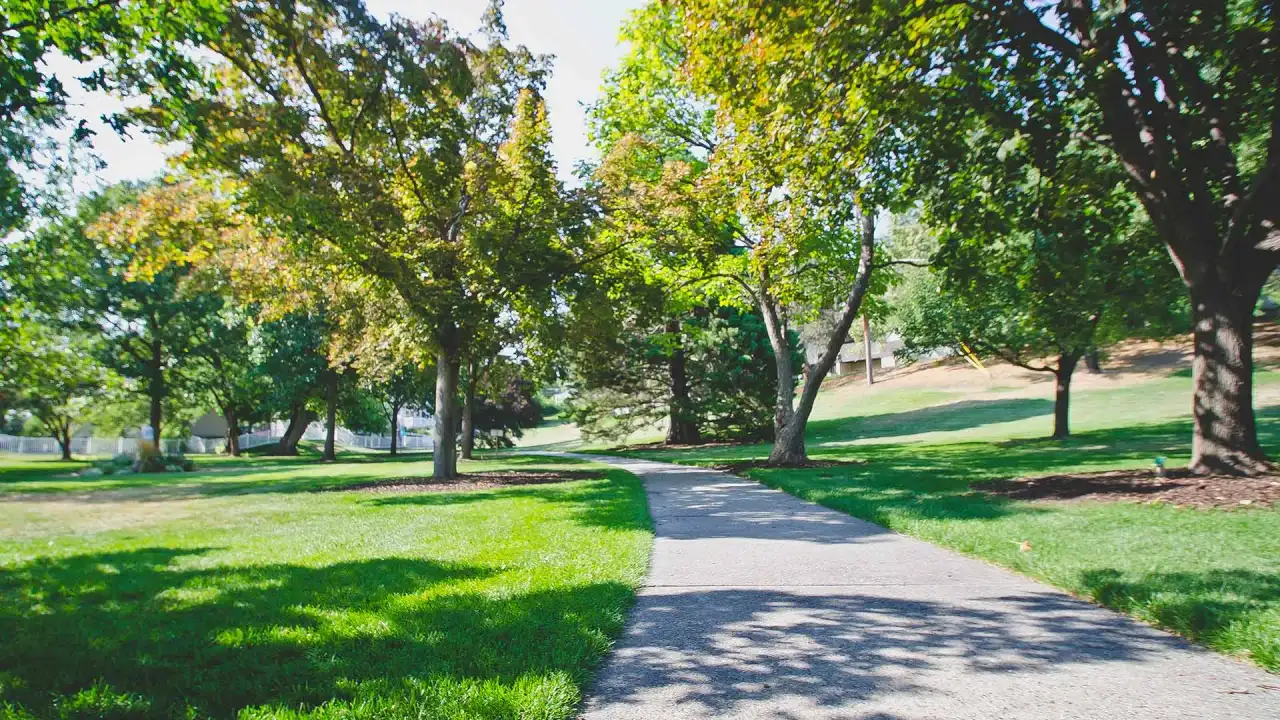
Is It Safe to Prune Trees in the Texas Summer Heat?
What to Trim Now and What to Wait On
Buffalo Outdoor • August 2026 • Fort Worth, TX
The Short Answer
You can safely do light, targeted tree work during a Fort Worth summer — removing dead, broken, or hazardous limbs, clearing storm damage, and lifting branches away from structures — but heavy structural pruning is best saved for winter dormancy. Summer pruning stresses a tree that is already fighting heat and drought, and large cuts heal more slowly in extreme conditions. There is also one firm rule in North Texas: avoid pruning oaks during the growing season because of oak wilt, unless a cut is truly necessary, in which case the wound should be sealed immediately.
Why Summer Pruning Needs Extra Thought
Heat & Drought Stress
A tree in August is already working hard — managing heat stress, often drought stress, and the constant demand of moving water from roots to leaves in punishing conditions. Pruning asks the tree to spend energy healing wounds on top of that.
Slower Wound Healing
Cuts close more slowly and seal less reliably in extreme heat, which leaves the tree open to pests and disease for longer. Removing too much canopy can also expose previously shaded bark to sudden intense sun, causing sunscald.
Prune With Restraint
None of this means you cannot prune in summer — it means you prune with restraint and purpose rather than doing a major overhaul. The goal is safety and health, not restructuring.
What Is Safe to Trim Now
Dead, Broken & Hazardous Limbs
Removing dead, dying, broken, or clearly hazardous branches is appropriate any time of year, including the hottest part of summer. Dead wood poses a real risk to people and property, especially with North Texas storms that can turn a weak limb into a projectile.
Storm Damage Cleanup
After high winds and storms, prompt cleanup of damaged limbs is important. A torn or hanging branch is both a hazard and an open wound; a clean cut helps the tree recover better than a ragged break left to the elements. This is reactive work that should not wait for winter.
Clearance & Light Shaping
Lifting or trimming branches away from your roof, gutters, walkways, driveway, or power lines is reasonable now. Light shaping and removal of a few crossing or rubbing branches is also generally fine. The key word is light — you are tidying and protecting, not restructuring.
What Is Better to Wait On
Major Structural Pruning
Pruning that reshapes a young tree's framework, removes large limbs, or thins a significant portion of the canopy is best saved for the dormant season in winter. A dormant tree is not under heat stress, has stored energy to draw on, and heals more effectively once spring arrives.
Cosmetic & Non-Urgent Thinning
If a cut is about appearance or long-term structure rather than safety or health, there is little downside to waiting for winter and real benefit to the tree in doing so. Patience here is genuinely the better arborist practice, not just caution.
The Oak Wilt Rule Every North Texan Should Know
This is the most important point in the whole discussion. Oak wilt is a serious, often fatal fungal disease that spreads readily in our region, and it is strongly associated with pruning oaks during the growing season. The disease is carried by beetles that are attracted to fresh oak wounds, so pruning an oak in the warmer months can effectively invite infection.
The standard guidance in North Texas is to avoid pruning oaks during the growing season and to do necessary oak work in the coldest part of winter when the beetles are inactive. If an oak must be cut during the growing season because of a genuine hazard or storm damage, the wound should be sealed immediately with pruning paint — the one case where wound sealing is specifically recommended. When in doubt about an oak, get a professional opinion before making any cut.
Helping Trees Through the Rest of Summer
Deep, Correct Watering
The most valuable thing you can do for a Fort Worth tree in late summer is water it correctly. Mature trees benefit from deep, slow watering out at the drip line — the edge of the canopy where the active roots are — rather than a quick spray at the trunk. A soaker hose or slow trickle running every week or two during extended heat reaches the depth that matters.
Mulching the Root Zone
A two to three inch layer of mulch over the root zone, kept back from direct contact with the trunk, holds soil moisture, moderates temperature, and reduces the stress that makes a tree vulnerable. Younger and recently planted trees are most at-risk in their first few North Texas summers — get watering and mulching right to reduce how much corrective pruning the tree will ever need.
Frequently Asked Questions
Will pruning in summer kill my tree?
Light, targeted pruning will not kill a healthy tree, but heavy pruning during peak heat adds real stress and slows healing. The bigger risk for oaks specifically is oak wilt. For most other species, restraint rather than avoidance is the rule in summer.
Can I prune my oak if a branch is over my roof?
If it is a genuine hazard, safety comes first, but the cut should be sealed immediately to protect against oak wilt. For anything non-urgent, waiting until the winter dormant window is strongly preferred for oaks.
Should I seal my pruning cuts?
For most trees, wound sealing is unnecessary and can even trap moisture. The clear exception is oaks pruned during the growing season, where sealing the wound immediately is recommended specifically to reduce oak wilt risk.
Is it better to wait until winter for everything?
For structural and cosmetic pruning, yes, winter is better. But dead, broken, hazardous limbs, and storm damage should be handled whenever they appear, including summer, because the safety risk outweighs the seasonal preference.
Making the Right Call This Summer
The simple way to decide is to separate safety and health work from structure and appearance work. If a branch is dead, broken, hazardous, or storm-damaged, take care of it now. If the work is about shape, density, or long-term structure, put it on the winter list. And treat oaks as their own special case, leaving non-urgent cuts for the cold months. Handled that way, your trees stay safe through the rest of summer without paying for it later.
Not Sure What to Prune Now vs. Later?
If you are unsure what is safe to prune now versus later, or you have an oak you are worried about, we are glad to take a look. Our team will assess your trees, handle any urgent or hazardous work safely, and tell you honestly what is better scheduled for winter. We serve homeowners across Keller, Aledo, Saginaw, Benbrook, Fort Worth, Southlake, Roanoke, Trophy Club, North Richland Hills, and communities throughout the area.
Fastest growing and highest rated outdoor services company in Tarrant County • Best of Fort Worth 2022, 2024 & 2025 • Inc. 5000 Recognition 2023 • 100% Satisfaction Guarantee