Late-Season Mosquito Control in Fort Worth
Why August and September Are Still Peak Season
Buffalo Outdoor • August 2026 • Fort Worth, TX
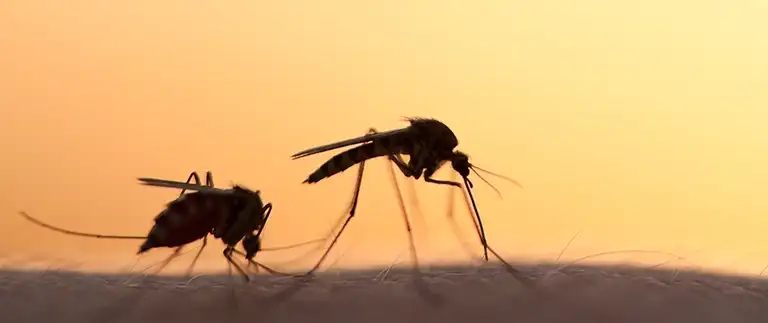
Mosquito season in Fort Worth does not wind down in late summer. August and September are still peak mosquito months in North Texas, because lingering heat keeps breeding cycles short and the area's late-summer rain and storms constantly refill the standing water mosquitoes need. Stopping treatment now leaves your yard exposed during some of the best outdoor weeks of the year.
Why Mosquito Season Runs Long in North Texas
Persistent Heat
Our heat lingers into September and often October, and warmth speeds up the mosquito life cycle — a new generation can go from egg to biting adult in a matter of days. The season does not end because the temperature stays in mosquito-friendly territory for a long time here.
Constant Rainfall Resets
Late summer in Fort Worth brings sudden storms and heavy downpours that leave behind exactly the kind of standing water mosquitoes breed in. Every rain event essentially resets the clock, refilling low spots, clogged gutters, and containers, triggering a fresh hatch a week or so later.
The Timing Problem Nobody Plans For
The brutal heat of July keeps most of us indoors during the day, so mosquito exposure is limited simply because nobody is outside. Then late August and September arrive, the evenings finally cool to something pleasant, and people move back onto patios, decks, and into the yard for the best outdoor stretch of the year.
That is precisely the window mosquitoes are still active in. The months when your yard is most usable overlap with the months many homeowners have stopped protecting it. Continuing control through the fall is really about protecting the time you actually get to enjoy outside.
Why Reactive Treatments Fall Short
Spraying the yard once after you have already been swarmed, or fogging just before a single evening event, knocks down the adults that are present but does nothing about the next hatch waiting in standing water. With late-summer storms refilling breeding sites every week or two, the population keeps rebounding. Reactive treatment is always a step behind the weather.
Effective late-season control is proactive and layered. It combines a maintained barrier that keeps working between treatments with consistent source reduction that prevents the next generation from forming in the first place. That combination is what actually breaks the cycle, rather than just interrupting it for a day.
The Approach That Actually Works Through Fall
Maintained Barrier Treatment
A professional barrier treatment targets shaded, humid areas where adult mosquitoes rest during the day: dense shrubs, the undersides of leaves, tall grass, and cool spots along fences and structures. Applied on a regular cycle through the season, it keeps reducing the resting adult population continuously.
Source Reduction After Every Rain
After each rain, walk the yard and dump or clear water from saucers, toys, tarps, buckets, wheelbarrows, and clogged gutters. Removing those sites stops the next hatch before it starts and makes every barrier treatment more effective.
Addressing Chronic Wet Spots
A low area that always holds water, a drainage issue, or a chronically damp bed from irrigation overspray quietly produces mosquitoes all season. Correcting drainage or adjusting irrigation removes a source that would otherwise undercut every other effort.
Properties That See the Worst Late-Season Pressure
Some Fort Worth yards stay mosquito-friendly longer than others. Knowing whether yours is one of them helps you decide how aggressively to keep control going.
Dense, Shaded Landscaping
Mature trees and dense shrubs hold humidity and give adult mosquitoes cool daytime resting spots, so these yards often stay buggy well into fall.
Proximity to Water Features
Lots that back up to creeks, drainage easements, ponds, or low undeveloped ground sit near larger breeding sources that no single yard treatment fully controls.
Irrigation Systems & Drainage Issues
Regular watering can keep beds and low spots damp enough to breed mosquitoes even during dry stretches. Chronic drainage trouble essentially runs its own mosquito nursery.
When Does Mosquito Season Actually End in Fort Worth?
Mosquito pressure in Fort Worth genuinely drops off only when sustained cool weather arrives and the first real cold snaps shut down breeding — which in North Texas often does not happen until well into fall. A warm, wet fall can keep them active surprisingly late.
The honest guidance: let the weather, not the back-to-school calendar, decide when to stop. In most years the season runs later than people assume.
Frequently Asked Questions
Aren't mosquitoes done by the end of summer?
No. In North Texas, warmth and late-summer rain keep mosquitoes active through September and often into October. The season ends with sustained cool weather and the first cold snaps, not with the end of summer break.
Why do mosquitoes come back right after I treat?
Usually because a rain event created new standing water and triggered a fresh hatch. A single treatment handles the adults present but not the next generation. Pairing barrier treatment with source reduction after each storm is what keeps them from rebounding.
Is it worth continuing treatment into fall?
For most Fort Worth homeowners, yes. Fall is when the evenings are finally pleasant enough to use the yard heavily. Stopping in August leaves the most enjoyable outdoor weeks unprotected, right when mosquitoes are still active.
What can I do myself between treatments?
The highest-value action is source reduction: after every rain, walk the yard and empty or clear anything holding water, and keep gutters clear. It is simple, free, and directly reduces how many mosquitoes your property produces.
Enjoy the Best Weeks of the Year — Mosquito-Free
Late summer and fall in Fort Worth are the payoff for surviving the heat. The evenings cool down, the patio becomes inviting again, and people want to be outside. Keeping mosquito control going through August and September — with a maintained barrier and steady source reduction — is what lets you actually enjoy that stretch.
As the fastest growing and highest rated outdoor services company in Tarrant County — Best of Fort Worth 2022, 2024, and 2025, and Inc. 5000 recognized in 2023 — we bring expertise and accountability that is hard to match. Our 100% satisfaction guarantee means if we cannot make it right, you pay nothing.
Serving Keller, Aledo, Saginaw, Benbrook, Fort Worth, Southlake, Roanoke, Trophy Club, North Richland Hills, and communities throughout Tarrant County.