Mosquito Pressure Spikes After July Rains in Fort Worth
Why Reactive Treatments Fall Short — and What Actually Works
Buffalo Outdoor • July 2026 • Fort Worth, TX
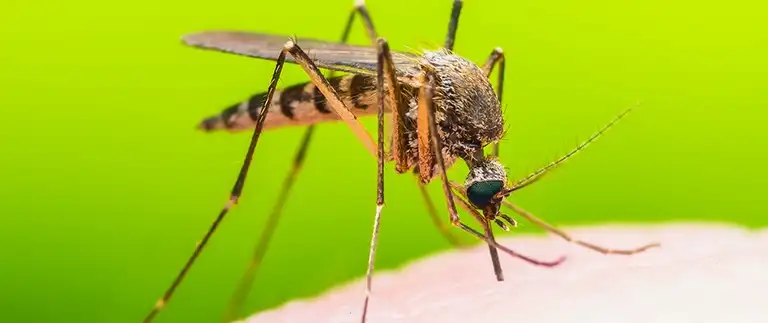
Fort Worth area mosquito populations spike sharply two to three weeks after summer storms because the standing water from rain creates breeding habitat. Reactive barrier spraying after the population peaks treats adults but does nothing about the next generation already developing in puddles, gutters, and low spots. Effective control requires layered prevention: standing water audits, larvicide in unavoidable water, In2Care mosquito stations, and targeted barrier treatments timed before peak emergence rather than after.
How Mosquito Populations Build After Rain
Female mosquitoes lay eggs in standing water that sits still for as little as five to seven days. After heavy rain in the Fort Worth area, hundreds of new breeding sites appear: gutters that backed up, low spots in yards, plant saucers that filled, kids' toys, tarps, and tree cavities.
The eggs hatch into larvae within a few days. Larvae develop into pupae, and pupae emerge as biting adults. The total cycle is about two weeks in summer heat — which is why mosquito pressure spikes 10 to 14 days after a significant rain event, and why a property that seemed under control suddenly has heavy biting pressure.
Why Reactive Spraying Falls Short
A standard barrier spray applied after a mosquito population has already peaked treats the visible adult biting pressure for a few days. It does not affect larvae developing in standing water, eggs that will hatch in the next few days, pupae that will emerge tomorrow, or the next generation already laying eggs.
Within a week of a reactive spray, the population rebounds because the breeding cycle was never interrupted. This is why customers on monthly spray-only programs often feel like they have a constant mosquito problem despite paying for service.
The Four-Layer Strategy That Actually Works
Layer 1: Standing Water Audit
After every significant rain, walk the property looking for water still standing 24 to 48 hours later. Common sites: clogged gutters, plant saucers, lawn furniture, tarps, low spots, tree cavities, and kids' toys. Eliminating these within 48 hours reduces mosquito pressure 50 to 70 percent.
Layer 2: Larvicide in Unavoidable Water
Bti (Bacillus thuringiensis israelensis) is a naturally occurring bacterium that kills mosquito larvae without affecting fish, birds, beneficial insects, pets, or people. It comes in dunks or granules that release slowly over 30 days — one dunk treats about 100 square feet of water.
Layer 3: In2Care Mosquito Stations
In2Care stations attract egg-laying females, which pick up larvicide and fungal spores and spread the treatment to other breeding sites. One station effectively covers about a half-acre. Stations are pollinator-safe because pollinators are not attracted to them. Monthly professional service is required.
Layer 4: Targeted Barrier Treatment
Barrier sprays work best when timed before peak emergence. Tracking the 10 to 14 day cycle after major rain lets us time treatments to coincide with the rising population. Two to three properly timed treatments through a North Texas summer can outperform monthly reactive sprays.
What to Avoid
Pheromone Traps
Widely sold, widely studied, consistently shown to attract more mosquitoes than they catch. Skip them.
Ultrasonic Repellers
Research has consistently shown they do not work. Save the money.
Citronella Candles
Small effect in a small area. Nice ambience addition but not a real primary defense strategy.
Wearable Mosquito Bracelets
Studied multiple times, consistently shown to be ineffective.
What an Effective Program Looks Like
For a typical Fort Worth area property, an effective July program includes: weekly homeowner standing water checks after rain, Bti dunks in any persistent water, two to three In2Care stations strategically placed on property edges, and barrier treatments timed two weeks after major storms.
Done together, this approach typically reduces biting pressure by 70 to 90 percent without harming pollinators or beneficial insects. The contrast with monthly barrier spraying is significant. Over a full season, customers on layered programs typically report dramatic differences in how usable their backyards become.
Frequently Asked Questions
How quickly will I see results?
Standing water elimination produces immediate effects within a week. Full program effects show within 30 days as the breeding cycle is interrupted.
Are treatments safe for pets and kids?
Yes. Every layer is selected for residential safety with normal use precautions.
Will the program affect honeybees?
The pollinator-conscious approach we use is designed to protect bees. Customers often report seeing more pollinators after starting the program because the broader ecosystem recovers.
What about West Nile virus risk?
The same mosquitoes that bite carry diseases. Reducing population reduces disease risk — one of the reasons we recommend a layered program for properties with young children, elderly residents, or anyone with health concerns.
Ready to Take Back Your Backyard?
As the fastest growing and highest rated outdoor services company in Tarrant County — Best of Fort Worth 2022, 2024, and 2025, and Inc. 5000 recognition in 2023 — Buffalo Outdoor brings expertise and accountability backed by a 100% satisfaction guarantee. We serve Keller, Aledo, Saginaw, Benbrook, Fort Worth, Southlake, Roanoke, Trophy Club, North Richland Hills, and communities throughout the area.
Call us at (817) 799-6823 or visit buffalooutdoor.com to request your quote.