Take-All Root Rot: What Texas Homeowners Need to Know
Take-all root rot is one of the most prominent fungal infections in Texas, targeting the roots of warm-season grasses and causing extensive damage. Learn what it is, what conditions it thrives in, and what to do if your lawn is infected.
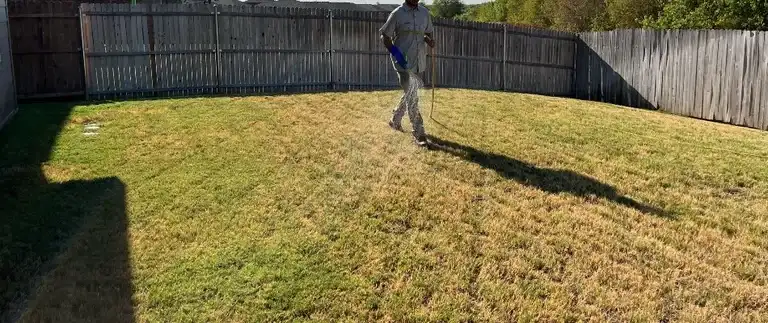
What Is Take-All Root Rot, and How Does It Damage Your Lawn?
Take-all root rot is a lawn disease that commonly affects warm-season lawns in Texas, like St. Augustine and bermudagrass. It is caused by a fungus that survives in the soil and the thatch layer. Because of where the fungus is found, this disease primarily targets the roots of your grass. When your lawn emerges from winter dormancy, it can become active and start showcasing symptoms.
Yellow & Browning Blades
Grass blades will become yellow before turning brown and wilting as the disease progresses through your turf.
Irregular Brown Patches
Your lawn will thin out and develop irregular patches of discolored grass that can reach up to 20 feet in diameter.
Rotten, Black Roots
When you inspect your turf closely, you'll discover the roots are short, rotten, and black — the hallmark sign of take-all root rot.
What Conditions Does Take-All Root Rot Thrive In?
The fungus that causes take-all root rot starts to become active in the spring but can affect your grass throughout the growing season. Wet conditions and warm temperatures are ideal for this lawn disease — making spring to early summer especially problematic. Stress can also trigger this disease.
Soil Compaction
Compacted soil creates the poor growing conditions that allow this fungus to thrive and spread.
Poor Drainage
Lawns with inadequate drainage stay wet longer, creating the damp environment the fungus prefers.
Overwatering or Watering at Night
Excess moisture from overwatering or nighttime irrigation keeps the lawn wet and encourages fungal growth.
Thick Thatch & Poor Fertilization
A thick thatch layer harbors the fungus, while improper fertilization weakens grass and makes it more susceptible.
What to Do if Your Grass Is Infected With Take-All Root Rot
Step 1: Call the Professionals
If your grass is showing signs of take-all root rot, your first action should be to call professionals. The real damage occurs at the roots and requires expert eyes to properly diagnose.
Step 2: Curative Treatment
Pros will administer a curative lawn disease control treatment to eliminate the take-all root rot infection from your grass and stop it from spreading further.
Step 3: Recovery Plan
After eliminating take-all root rot, pros can nurse your lawn back to health with treatments like fertilization and weed control, while offering expert advice on prevention.
Call Us Today to Sign Up for Our Take-All Root Rot Control Service!
Buffalo Outdoor offers take-all root rot control to residential properties in Keller, Aledo, Saginaw, TX, and nearby areas. We'll apply our curative treatment to stop take-all root rot in its tracks and create a full recovery plan — including fertilization and weed control — to help your lawn recuperate.