How to Reduce the Mosquito Population on Your Property in Texas
Spending time outdoors should be fun, but the presence of mosquitoes on your property can hamper that. Fortunately, there are several measures you can follow to reduce the mosquito population on your property in Texas!
Simple Steps to Keep Mosquitoes Away
Regularly mowing your grass, removing debris from your yard, keeping your gutters unclogged, and removing standing water are all effective ways to eliminate spots where mosquitoes can take shelter and lay their eggs on your property.
Mow Your Lawn & Remove Debris to Keep Mosquitoes Away
The overgrown grass and piles of debris in your yard provide the perfect environment for mosquitoes to thrive in. Tall grass and piles of debris are ideal spots for mosquitoes to take shelter from the sun, wind, and predators. It's vital that you regularly mow your lawn to keep it short so they don't retain and trap moisture that mosquitoes need to lay eggs. This will also ensure enough sunlight reaches the ground so they can't linger there to take refuge. Removing debris like grass clippings, twigs, and leaves will help deter mosquitoes because it will eliminate the areas where they can stay to hide from predators and hunker down in case things get windy. Without a place to hide and become comfortable, your property will become unappealing to mosquitoes!
Keep Your Gutters Clear to Reduce Mosquitoes
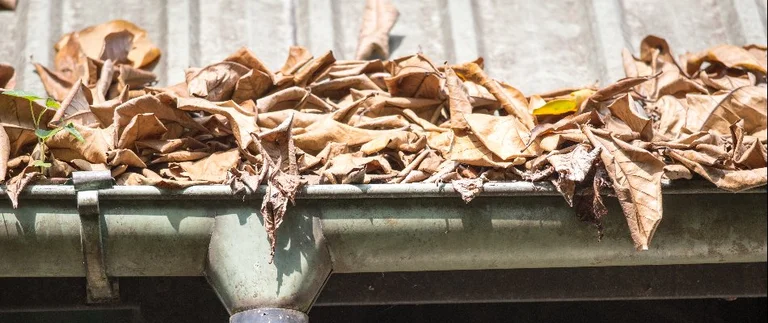
Well-maintained gutters are crucial in reducing the mosquito population on your property. Often overlooked, your gutters can quickly accumulate debris and become clogged, collecting water that eventually becomes stagnant. Gutters filled with stagnant water and debris provide mosquitoes with another place to lay eggs and provide them with shelter from the sun, strong winds, and predators. When sweeping your property for problematic areas that can house mosquitoes, make sure your gutters are on that list!
Remove or Refresh Standing Water on Your Property
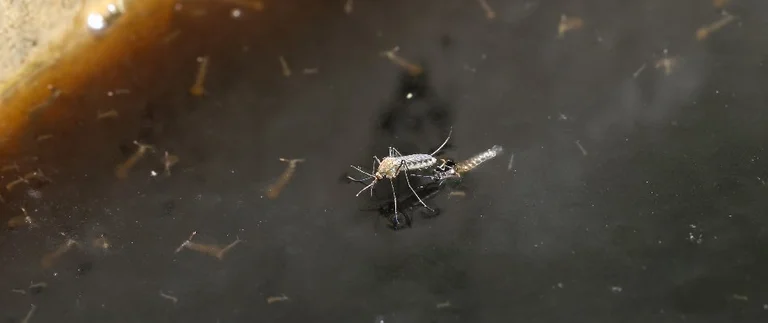
Standing water is the primary requirement for mosquitoes to lay eggs. An effective way to control their population on your property is to remove or regularly refresh any standing water to ensure they have nowhere to lay and hatch their eggs. Be sure to thoroughly look for stagnant water throughout your property. Mosquitoes can lay their eggs in as little as a bottle cap of water — so even small amounts matter!
Common Places Where Standing Water Collects
Pet Water Bowls
Refresh pet water bowls regularly to prevent stagnant water from accumulating.
Bird Baths & Kiddie Pools
Change the water in bird baths and kiddie pools frequently to eliminate egg-laying sites.
Trash Bins & Buckets
Trash bin lids and stray buckets can collect rainwater — empty them after every rain.
Ponds & Water Features
Add bubblers or regularly circulate the water in ponds and water features to prevent stagnation.
Sign Up for Professional Mosquito Control Treatments
All of the tips above are undoubtedly helpful in reducing the number of mosquitoes on your property. Still, signing up for mosquito control treatments is the most effective way to reduce the mosquito population! Mosquitoes are troublesome pests, so you want to make sure you have optimal protection against them. Skilled professionals will visit your property to apply mosquito control treatments and return multiple times a year to reapply — ensuring you have consistent protection throughout the entire mosquito season.
Call Us Today to Enroll in Our Mosquito Control Service!
When you enroll in our mosquito control service, we will visit your property 8 times throughout the mosquito season to apply our treatments — drastically reducing the mosquito population on your property. We serve residential properties in Keller, Aledo, Saginaw, and nearby areas in Texas.