Skip to content

Fall Cleanups

Why a Fall Cleanup Is About More Than Curb Appeal

Buffalo Outdoor • September 2026 • Fort Worth, TX • 7 min read

Short Answer: A fall cleanup does far more than tidy up your yard for the holidays. Left in place, fallen leaves and debris mat down over the grass, blocking the sunlight and air it needs and trapping moisture that invites disease and pests through the winter. Clearing leaves, cutting back spent growth, and tidying beds protects the health of the lawn and landscape, not just their appearance. It also lets your fall feeding actually reach the grass and sets everything up for a cleaner, healthier spring. For North Texas lawns heading into dormancy, a thorough fall cleanup is one of the most valuable things you can do before winter.

When most people think about a fall cleanup, they picture a tidy yard for the holidays, free of the leaves piling up on the lawn and driveway. That curb appeal is real and worth having, but it is only part of the story. A fall cleanup is one of the most valuable things you can do for the actual health of your lawn and landscape heading into winter.

At Buffalo Outdoor, our crews handle fall cleanups across Fort Worth and the surrounding communities, and we see firsthand what happens to the yards that get one and the ones that do not. Here is why a fall cleanup matters well beyond how the yard looks.

What Happens Under a Layer of Leaves

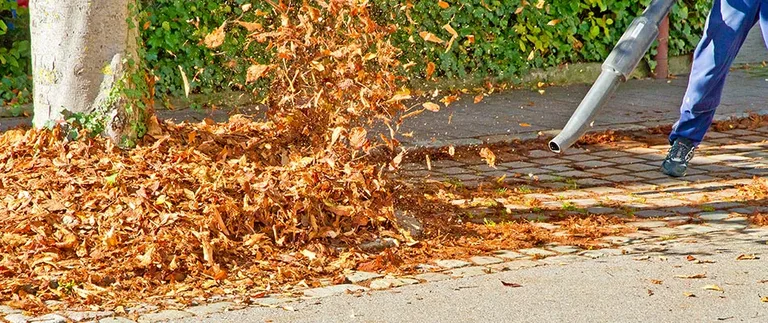
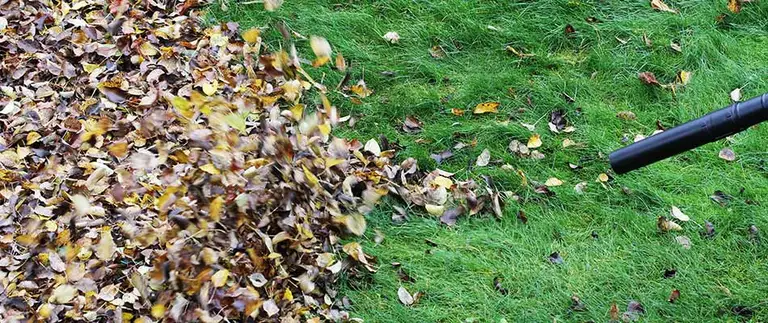
A few leaves scattered on the lawn are harmless, but that is rarely where it stops. As the leaves keep falling and rain and foot traffic pack them down, they form a dense, wet mat over the grass. That mat is the problem, because grass, even grass heading into dormancy, still needs sunlight and air to stay healthy, and a thick layer of leaves blocks both.

Underneath that cover, trouble builds. The trapped moisture creates a damp, dark environment right against the grass and soil, which is exactly what lawn diseases and many pests love. So while the yard may look merely messy on top, what is happening underneath can genuinely harm the lawn over the course of the winter. Clearing the leaves removes that risk before it has a chance to do damage.

Smothered Grass Struggles to Recover

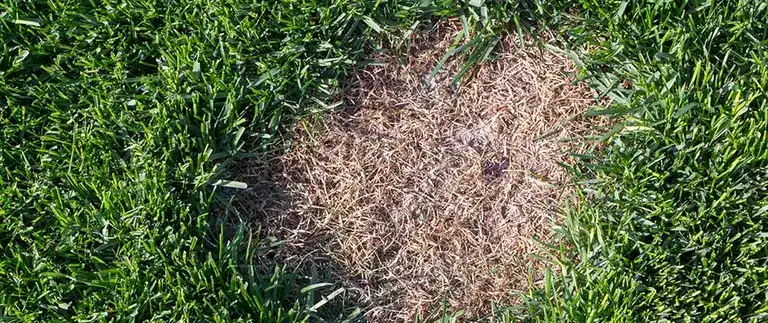
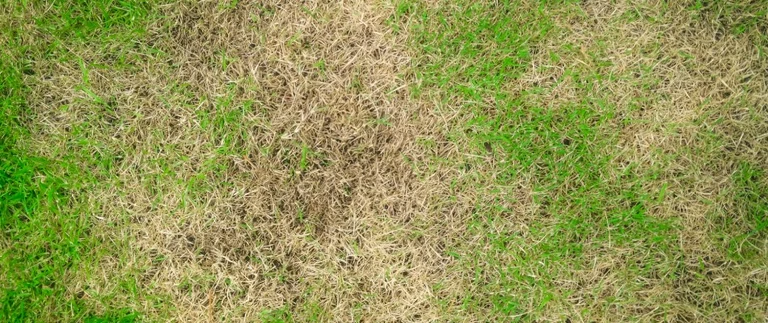
Grass that spends the winter buried under a wet mat of leaves often pays for it in spring. Cut off from light and air and held in constant dampness, it can thin out, develop disease, or die back in patches, leaving you with bare or weak spots when the lawn should be greening up. What looked like a minor mess in November becomes real turf damage by March.

This is especially worth avoiding because a healthy lawn heading into dormancy is an investment you want to protect. You may have fed it well and cared for it all season, and letting leaves smother it undoes some of that work. A fall cleanup protects the lawn you have built, so it comes out of winter as healthy as it went in rather than damaged by something entirely preventable.

Leaves and Debris Invite Pests and Disease

Beyond smothering the grass, piles of leaves and yard debris make inviting homes for pests. Insects and small critters shelter in the damp cover, and some overwinter there, setting up problems that can carry into spring. Decaying leaf litter also harbors fungal diseases that can spread to the lawn and landscape plants.

Clearing that debris in fall removes the shelter and the breeding ground before winter sets in. It is a simple, preventive step that reduces the pest and disease pressure your yard faces, which is a lot easier than dealing with an infestation or an outbreak later. A clean yard heading into winter is a less hospitable one for the problems you do not want.

A Cleanup Helps Your Fall Feeding Work

If you have fed your lawn this fall, a cleanup helps that feeding actually pay off. A feeding can only help the grass it reaches, and a lawn buried under a thick layer of leaves cannot make the most of the nutrients you applied. Clearing the leaves lets the feeding get to the grass and lets the lawn breathe as it prepares for dormancy.

This is why fall feeding and fall cleanup go hand in hand as part of preparing a lawn for winter. One supplies the hardiness and reserves the grass needs, and the other makes sure the lawn is in a condition to use them and stay healthy. Handled together, they set the lawn up far better than either would alone.

It Sets Up an Easier Spring

A thorough fall cleanup also does your spring self a favor. Leaves and debris left over winter break down into a matted, sometimes slimy mess that is harder and less pleasant to deal with once spring arrives, on top of whatever damage they did to the lawn underneath. Clearing them in fall means you are not starting the new season by cleaning up the old one.

Beds and borders benefit from the same logic. Cutting back spent growth and tidying up in fall means less decay sitting over your plants through winter and a cleaner starting point when everything wakes up. A yard that goes into winter clean comes out of it ready, which makes the whole spring startup smoother.

Curb Appeal Still Counts

None of this means the tidy look does not matter, because it does. A clean, well-kept yard through the fall and into winter simply looks cared for, which is worth something whether you are proud of your home, hosting for the holidays, or thinking about your property's impression on the street. The curb appeal is a genuine benefit of a fall cleanup.

The point is that the good looks come alongside real protection for the lawn and landscape, not instead of it. A fall cleanup is one of those tasks that pays off on both fronts at once, keeping the yard looking sharp while safeguarding its health through the winter. That combination is what makes it such a worthwhile piece of fall lawn care.

Timing Your Cleanup Through the Season

One thing that surprises homeowners is that a fall cleanup is often not a single event. In North Texas, the leaves come down over weeks rather than all at once, so staying protected can mean clearing the yard more than once as the drop continues. A single early cleanup can be undone by the waves of leaves that follow, so keeping ahead of it through the season is what actually keeps the lawn safe.

That is worth planning for rather than being caught out by. Whether you keep up with it yourself or bring in a crew to handle the volume, the goal is to prevent a heavy layer from ever sitting on the grass long enough to do damage. A cleanup timed to the leaf drop, not just a one-time tidy, is what carries the protection all the way through to winter.

It also helps to think about your specific yard when planning the timing. A property with a few heavy-dropping oaks may need attention sooner and more often than one with lighter trees, and shaded areas where leaves collect and stay damp deserve extra care. Matching the cleanup schedule to how and where the leaves actually fall on your lot is what keeps the whole lawn protected rather than just the easy, open parts.

What to Do Next

As the leaves come down this fall, do not think of clearing them as purely cosmetic. A thorough fall cleanup protects your lawn from being smothered, cuts down on winter pests and disease, helps your fall feeding work, and sets up an easier spring, all while keeping the yard looking its best. It is one of the most valuable things you can do for a North Texas yard before winter.

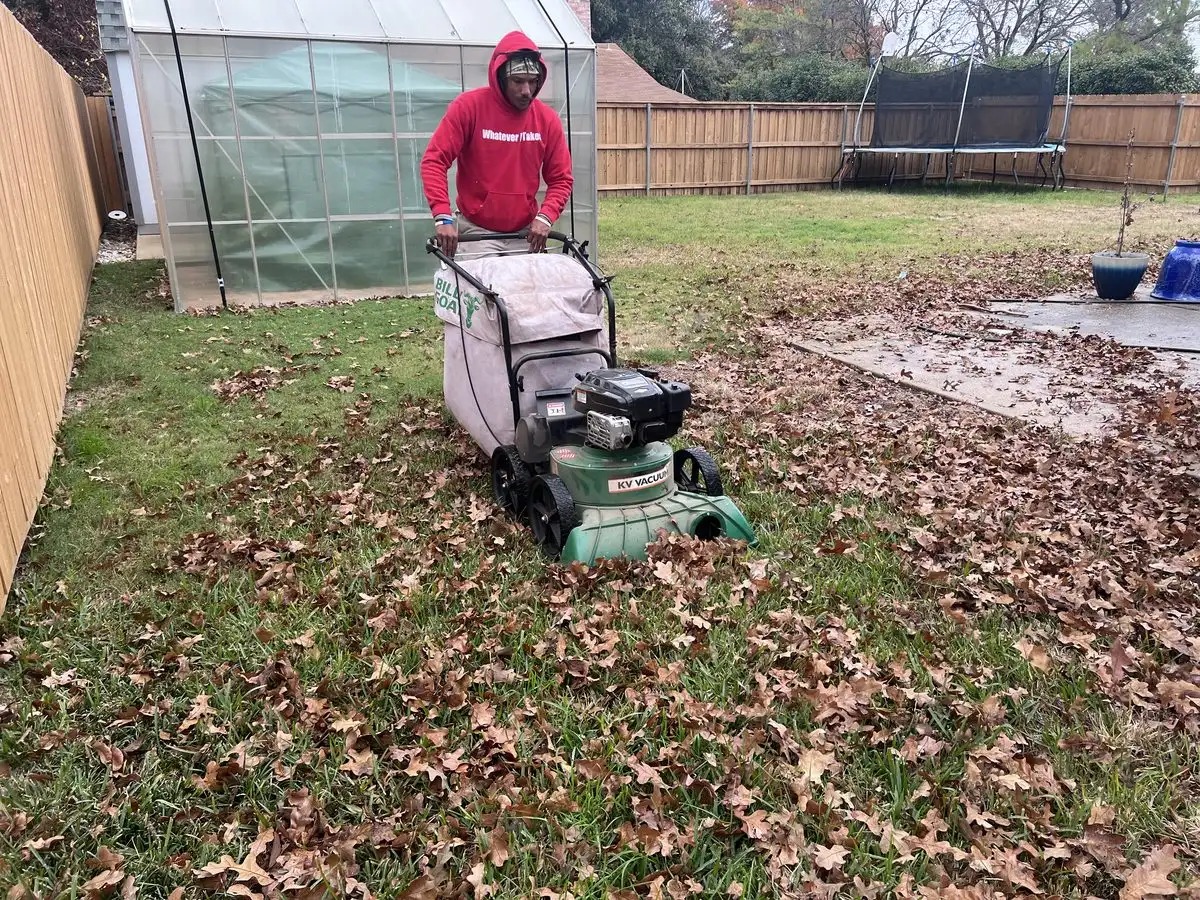
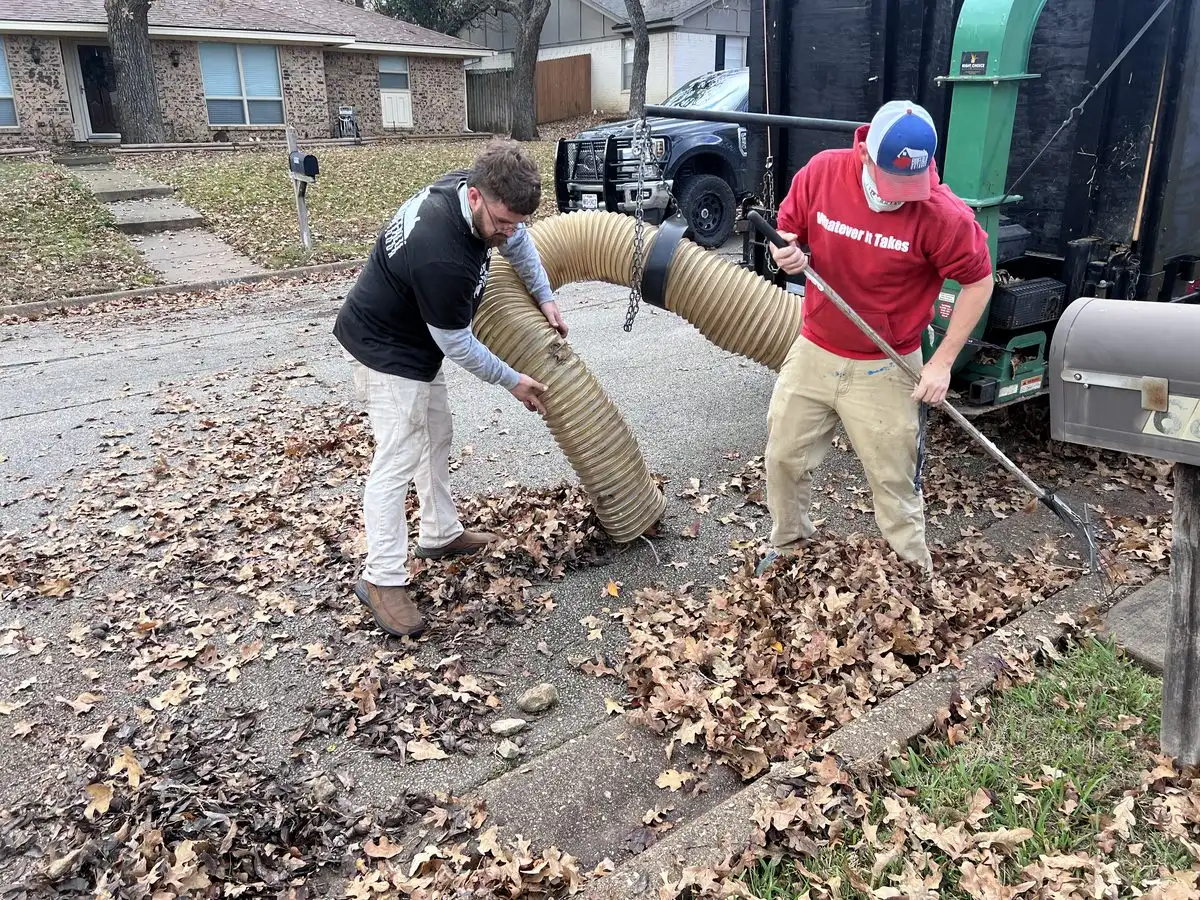
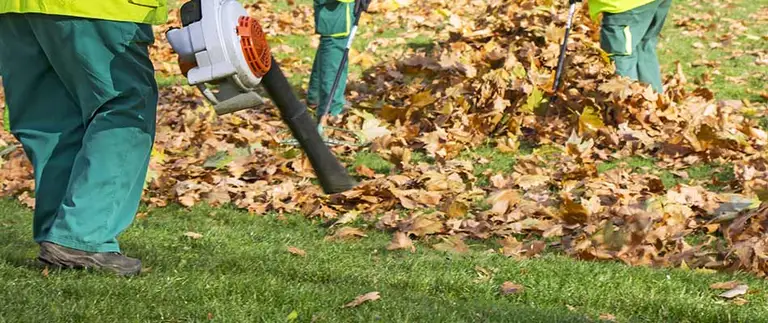
Buffalo Outdoor handles fall cleanups and leaf removal across Fort Worth, Keller, Southlake, and the surrounding North Texas communities, right down to our Leaf Monster crews that haul it all away. If you would rather skip the raking and hauling this fall, we are here for that. Visit buffalooutdoor.com to get started, and we will get your yard cleaned up and ready for winter.
Keep reading

What Happens If You Leave the Leaves on Your Lawn
Fall CleanupsWhat Happens If You Leave the Leaves on Your LawnWhat really happens to a North Texas lawn left covered in fallen leaves through winter, from smothered grass to disease and pests, and why timely leaf removal matters.2026-09-01 · 7 min readRead the article →
What a Professional Fall Cleanup Includes
Fall CleanupsWhat a Professional Fall Cleanup IncludesWhat a professional fall cleanup actually covers, from full leaf removal and hauling to bed cleanup and cutting back spent growth, and why it beats a weekend of raking.2026-09-01 · 7 min readRead the article →
Leaf Removal in North Texas: Why It Is a Bigger Job Than It Looks
Fall CleanupsLeaf Removal in North Texas: Why It Is a Bigger Job Than It LooksWhy leaf removal in North Texas is a bigger, longer job than homeowners expect, from heavy loads and repeated drops to disposal, and how professional crews handle it.2026-09-01 · 7 min readRead the article →
What Happens During a Professional Fall Cleanup, From the First Leaf to the Final Haul-Off
Fall CleanupWhat Happens During a Professional Fall Cleanup, From the First Leaf to the Final Haul-OffShort Answer: A professional fall cleanup in Fort Worth usually follows the same order: a walk-through, clearing leaves out of beds and tight corners, gathering leaves off the lawn with blowers and leaf vacuums, cleaning patios and hard surfaces, a final mow or tidy pass, and loading everything into2026-10-01 · 7 min readRead the article →
Fall Bed Cleanup and Fresh Mulch: Getting Fort Worth Landscape Beds Ready for Winter
Fall CleanupFall Bed Cleanup and Fresh Mulch: Getting Fort Worth Landscape Beds Ready for WinterShort Answer: Fall is one of the best times to clean up and mulch landscape beds in Fort Worth. Clearing out spent annuals, cutting back finished perennials, pulling weeds, and removing leaf buildup gets beds ready for winter. A fresh two to three inch layer of mulch then insulates roots against our2026-10-01 · 7 min readRead the article →

Weep Holes, Eaves, and Cracks: Where Fall Pests Get Into Fort Worth Brick Homes
Pest ControlWeep Holes, Eaves, and Cracks: Where Fall Pests Get Into Fort Worth Brick HomesShort Answer: Most brick homes around Fort Worth have weep holes, small gaps in the bottom row of brick that let moisture drain out of the wall. They are necessary, but they also give crickets, spiders, scorpions, roaches, and ants an open path into the wall cavity, especially as pests look for shel2026-10-01 · 7 min readRead the article →
Spiders, Crickets, and Scorpions: What Fall Pest Control Looks Like in Fort Worth
Pest ControlSpiders, Crickets, and Scorpions: What Fall Pest Control Looks Like in Fort WorthShort Answer: Fall around Fort Worth brings a predictable wave of pests: crickets move toward homes and lights, spiders build webs under eaves and patios to catch them, and scorpions hunt both while looking for sheltered spots for winter. Because these pests feed on each other, controlling one usual2026-10-01 · 7 min readRead the article →
Bermuda vs. St. Augustine: How Fall Fertilization Differs for Fort Worth's Two Most Common Lawns
FertilizationBermuda vs. St. Augustine: How Fall Fertilization Differs for Fort Worth's Two Most Common LawnsShort Answer: Bermuda and St. Augustine both benefit from fall feeding in Fort Worth, but they need different handling. Bermuda is a heavy feeder that grows in full sun and tolerates a moderate nitrogen feeding in September and early October. St. Augustine grows in shade, is prone to large patch fun2026-10-01 · 7 min readRead the article →
Fall Fertilization and Pre-Emergent in Fort Worth: How October Sets Up Next Spring's Lawn
FertilizationFall Fertilization and Pre-Emergent in Fort Worth: How October Sets Up Next Spring's LawnShort Answer: In Fort Worth, October is when two things happen at once. Bermuda, St. Augustine, and Zoysia lawns are storing energy in their roots before winter dormancy, and winter weeds like henbit, chickweed, and annual bluegrass (poa annua) are starting to sprout. A fall feeding with modest nitr2026-10-01 · 7 min readRead the article →
What Landscape Maintenance Actually Includes in Fort Worth
LandscapingWhat Landscape Maintenance Actually Includes in Fort WorthWhat a landscape maintenance program in Fort Worth actually covers, what is billed separately, and the questions that make two similar looking quotes comparable.2026-09-23 · 7 min readRead the article →
Fixing Yard Drainage Before North Texas Winter Rain
LandscapingFixing Yard Drainage Before North Texas Winter RainNorth Texas clay sheds water rather than absorbing it. How to read where your Fort Worth yard drains badly, which fixes are cheap, and why fall is the season to do it.2026-09-23 · 7 min readRead the article →
Mulch in Fall: Why the Timing Matters in North Texas
LandscapingMulch in Fall: Why the Timing Matters in North TexasMulch does more in a North Texas fall than it does in spring. Why the timing matters, how deep it should actually be, and the volcano mistake that kills trees slowly.2026-09-16 · 7 min readRead the article →
Fall Tree Planting in Fort Worth: What to Plant and Where
LandscapingFall Tree Planting in Fort Worth: What to Plant and WhereFall is the right season to plant a shade tree in Fort Worth. Which species handle our clay and heat, where to place them, and the planting mistakes that kill trees slowly.2026-09-16 · 7 min readRead the article →
Overseeding with Ryegrass in Fort Worth: Worth It or Not?
LandscapingOverseeding with Ryegrass in Fort Worth: Worth It or Not?Overseeding dormant Bermuda with winter ryegrass gives a green Fort Worth lawn from November to March. What it actually costs your Bermuda in spring, and who it suits.2026-09-09 · 8 min readRead the article →
What Landscape Design and Installation Costs in Fort Worth
LandscapingWhat Landscape Design and Installation Costs in Fort WorthWhat landscape design and installation costs around Fort Worth, how the number is built, where budgets go further than expected, and how to compare estimates fairly.2026-09-09 · 7 min readRead the article →
Landscape Lighting: Why Fall Is the Season to Add It
LandscapingLandscape Lighting: Why Fall Is the Season to Add ItLandscape lighting adds usable evening hours and real security. Why fall is the right season to install it in Fort Worth, what it costs, and the design mistakes to avoid.2026-09-02 · 7 min readRead the article →
Fall Armyworms in Fort Worth Lawns
LandscapingFall Armyworms in Fort Worth LawnsFall armyworms can strip a Fort Worth lawn in two days. What the damage looks like, the soap flush that confirms them, and why speed matters more than product choice.2026-09-02 · 8 min readRead the article →
Why Fall Fertilization Still Matters for North Texas Lawns
Lawn FertilizationWhy Fall Fertilization Still Matters for North Texas LawnsWhy a fall feeding is important for warm-season North Texas lawns even as they head toward dormancy, what it does for roots and spring green-up, and how to time it.2026-09-01 · 7 min readRead the article →
The Fall Winterizer Feeding: Preparing Your Lawn for Dormancy
Lawn FertilizationThe Fall Winterizer Feeding: Preparing Your Lawn for DormancyWhat a winterizer feeding is, why it matters for warm-season North Texas lawns heading into dormancy, and how potassium builds the cold hardiness your lawn needs.2026-09-01 · 7 min readRead the article →
Feeding Bermuda, St. Augustine, and Zoysia Before Winter
Lawn FertilizationFeeding Bermuda, St. Augustine, and Zoysia Before WinterHow fall feeding works for the warm-season grasses common in North Texas, why each benefits from a fall winterizer, and how to prepare your lawn for dormancy.2026-09-01 · 7 min readRead the article →
Fall Fertilization Mistakes North Texas Homeowners Make
Lawn FertilizationFall Fertilization Mistakes North Texas Homeowners MakeThe most common fall fertilization mistakes on warm-season North Texas lawns, from wrong timing to too much nitrogen, and how to feed your lawn correctly before winter.2026-09-01 · 7 min readRead the article →
When Your Fort Worth Lawn Browns in July | Buffalo Outdoor
When Your Fort Worth Lawn Browns in July | Buffalo OutdoorWhen a Fort Worth area lawn browns in July, the cause is almost always one of four things: heat stress, drought, disease, or insects.Jul 23, 2026Read the article →
Tree Watering During North Texas Summer | Buffalo Outdoor
Tree Watering During North Texas Summer | Buffalo OutdoorA mature shade tree in Fort Worth needs roughly 10 gallons of water per inch of trunk diameter, every 7 to 14 days, during the summer.Jul 23, 2026Read the article →
Take-All Root Rot in Fort Worth St. Augustine Lawns
Take-All Root Rot in Fort Worth St. Augustine LawnsTake-all root rot is one of the most damaging diseases on North Texas St. Augustine. How to diagnose it, what treatment works and what will not.Jul 23, 2026Read the article →
Get Lawn & Landscape Service.
Request your free quote today.
GET A QUOTE
© 2025 Buffalo Outdoor  |  All Rights Reserved  |  Privacy Policy  |  Your Privacy Choices  |  Terms of Use
Buffalo Outdoor awards: Inc. 5000 2023, Expertise.com Best Landscaping Services in Fort Worth 2021, and Fort Worth Magazine Best of Fort Worth 2022, 2024, 2025 and 2026