Fall Cleanups
What Happens If You Leave the Leaves on Your Lawn
Buffalo Outdoor • September 2026 • Fort Worth, TX • 7 min read
Short Answer: Leaving a heavy layer of leaves on your lawn through winter can genuinely damage it. As leaves pile up and get packed down by rain and traffic, they form a dense, wet mat that blocks the sunlight and air the grass needs and traps moisture against it. That creates ideal conditions for lawn diseases, invites pests to shelter and overwinter, and can smother the grass so it thins or dies back in patches by spring. A few scattered leaves are fine, and mulching a light layer with the mower can even help, but a thick cover left in place is a real risk. Timely leaf removal is what protects the lawn.
It is a fair question, and one we hear a lot: do fallen leaves really hurt your lawn, or is raking them up just about appearances? With all the talk about leaving the leaves for the environment, it is easy to assume you can skip the work. The honest answer is that it depends on how many leaves, and in much of North Texas, where mature trees drop a heavy load, a thick layer left in place can genuinely damage your lawn.
At Buffalo Outdoor, we clear a lot of leaves across Fort Worth and the surrounding communities, and we have seen what happens to the lawns that get buried and left. Here is what actually goes on under that layer of leaves, so you can make the right call for your yard.
A Few Leaves Versus a Thick Layer
First, some perspective. A light scattering of leaves on the lawn is not a crisis, and you do not need to panic over every leaf that falls. The problem is not the presence of leaves, it is the accumulation. When leaves pile up faster than they can break down and start to form a continuous cover over the grass, that is when the trouble begins.
In neighborhoods with big, mature trees, and North Texas has plenty, that accumulation happens fast. A yard can go from a few leaves to a thick blanket in a matter of weeks, especially once the drop is in full swing. So the real question is not whether any leaves are on the lawn, but whether they are building into the kind of dense mat that causes harm. When they are, timely removal matters.
The Mat That Smothers Your Grass
Here is what happens as those leaves build up. Rain, dew, and foot traffic press the layer down into a dense, wet mat right against the grass and soil. That mat acts like a lid, blocking the sunlight and air that the grass needs to stay healthy, even as it heads into dormancy. Grass under that cover is essentially being suffocated.
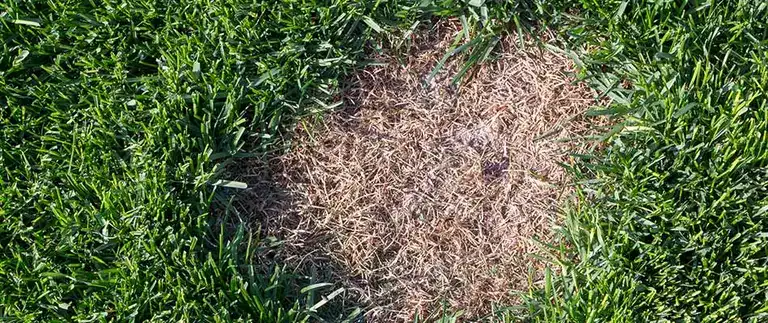
Deprived of light and air and held in constant dampness, the grass beneath a heavy leaf layer can weaken, thin out, or die back entirely. What emerges in spring, once you finally clear the leaves, can be bare or patchy spots where healthy lawn used to be. This smothering effect is the single biggest reason a thick leaf cover left all winter is a problem worth preventing.
A Breeding Ground for Disease
That damp, dark environment under the leaves does not just smother the grass, it invites disease. The trapped moisture creates ideal conditions for lawn fungi and diseases to take hold and spread, right at the soil line where they can do the most harm. Decaying leaf litter itself can harbor fungal problems that move into the lawn.
By spring, a lawn that spent the winter under a wet, decaying leaf layer can show the results as disease patches and weak, damaged turf. This is one of those problems that develops quietly out of sight, so you do not see it happening, only the aftermath. Removing the leaves before they mat down and stay wet all winter is how you keep that disease pressure from ever building.
An Open Invitation to Pests
Piles of leaves are also prime real estate for pests. Insects, rodents, and other critters shelter in the warm, damp cover, and many use it to overwinter, riding out the cold in the protection your leaf layer provides. Come spring, those pests are right there in your yard, ready to become a problem for your lawn and even your home.
Clearing the leaves removes that shelter before winter and takes away the breeding and hiding ground pests would otherwise use. It is a simple preventive step that lowers the pest pressure your yard faces heading into the new year. A yard cleaned up in fall is far less inviting to the pests you would rather not host.
What About Mulching the Leaves?
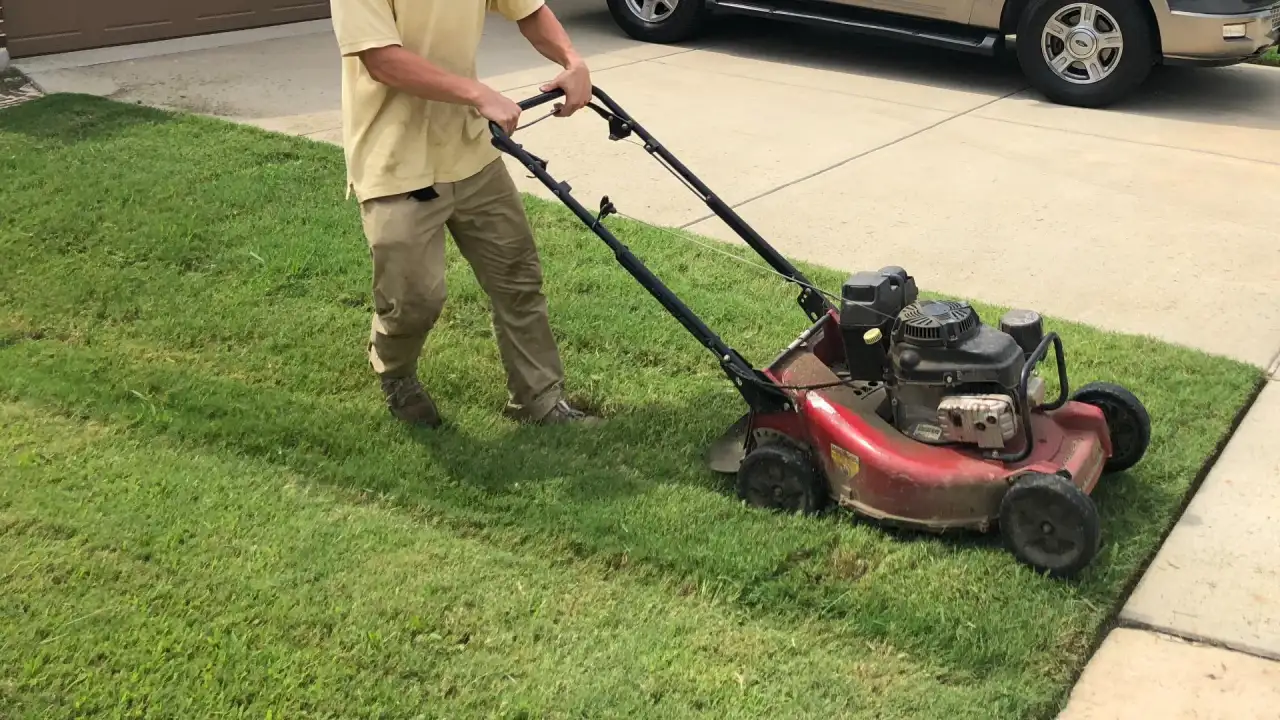
You may have heard that leaves are good for the lawn, and there is truth to that in the right amount. A light layer of leaves mulched into small pieces with a mower can break down and return some nutrients and organic matter to the soil, which can be beneficial. The key words are light layer and mulched into small pieces.
Where this breaks down is with a heavy leaf load. There are simply too many leaves in many North Texas yards to mulch them all into the lawn without creating the very mat you are trying to avoid. Mulching a thin scattering is fine and even helpful, but once the leaves are coming down in volume, removal is the way to protect the lawn. Knowing the difference is what keeps a good idea from becoming a problem.
The Case for Timely Removal
Putting it all together, the risk of leaving a heavy leaf layer on the lawn all winter is real: smothered grass, disease, and pests, adding up to a lawn that comes out of winter damaged rather than healthy. And the fix is straightforward, which is to keep up with leaf removal through the fall so the leaves never build into that harmful mat in the first place.
Because the leaf drop in our area can be heavy and keeps coming for weeks, staying ahead of it is often more work than a single afternoon of raking, which is where professional cleanup crews come in. However you handle it, the goal is the same: do not let a thick layer of leaves sit on your lawn through the winter. Timely removal is what keeps your lawn safe until spring.
Do Not Forget the Beds and Hard Surfaces
The lawn is the main concern, but leaves left elsewhere cause their own problems. Leaves that pile up in landscape beds can smother your plants and trap moisture around them just as they do on the grass, harboring disease and pests through the winter. Cleaning the beds along with the lawn protects your plantings, not just the turf.
Hard surfaces matter too. Wet leaves left on driveways, walkways, and patios can become slick and create a slipping hazard, and they can stain concrete and pavers as they break down. Clearing leaves from these areas is partly about safety and appearance and partly about keeping the whole property in good shape through the season, so a thorough cleanup does not stop at the edge of the lawn.
Gutters and drainage areas are another spot where leaves quietly cause trouble. Leaves that wash into gutters and downspouts can clog them, and piles that block drainage paths can lead to standing water and the problems that come with it. While these go a bit beyond the lawn itself, they are part of why a heavy leaf load left unmanaged affects the whole property, not just the grass, and why keeping ahead of the leaves pays off in more ways than one.
What to Do Next
If your yard collects a heavy load of leaves, do not leave them to sit all winter. A thick, wet mat smothers the grass, breeds disease, and shelters pests, leaving you with a damaged lawn in spring. Keep up with leaf removal through the fall, mulch only a light scattering, and clear the rest so your North Texas lawn heads into winter protected.
Buffalo Outdoor handles fall cleanups and leaf removal across Fort Worth, Keller, Southlake, and the surrounding North Texas communities, right down to our Leaf Monster crews that haul it all away. If you would rather skip the raking and hauling this fall, we are here for that. Visit buffalooutdoor.com to get started, and we will get your yard cleaned up and ready for winter.