Landscaping
Landscape Lighting: Why Fall Is the Season to Add It
Buffalo Outdoor • September 2026 • Fort Worth, TX • 7 min read
Short Answer: Landscape lighting is the improvement homeowners most often say they wish they had done sooner, because it changes how much of the year the yard is actually usable. In Fort Worth that matters more than in most places: for a good part of the year the only comfortable time to be outside is after dark. Fall is the right season to install because trenching is pleasant work now, plantings are being set anyway, and the shorter evenings mean you get immediate use of it rather than waiting until next season.
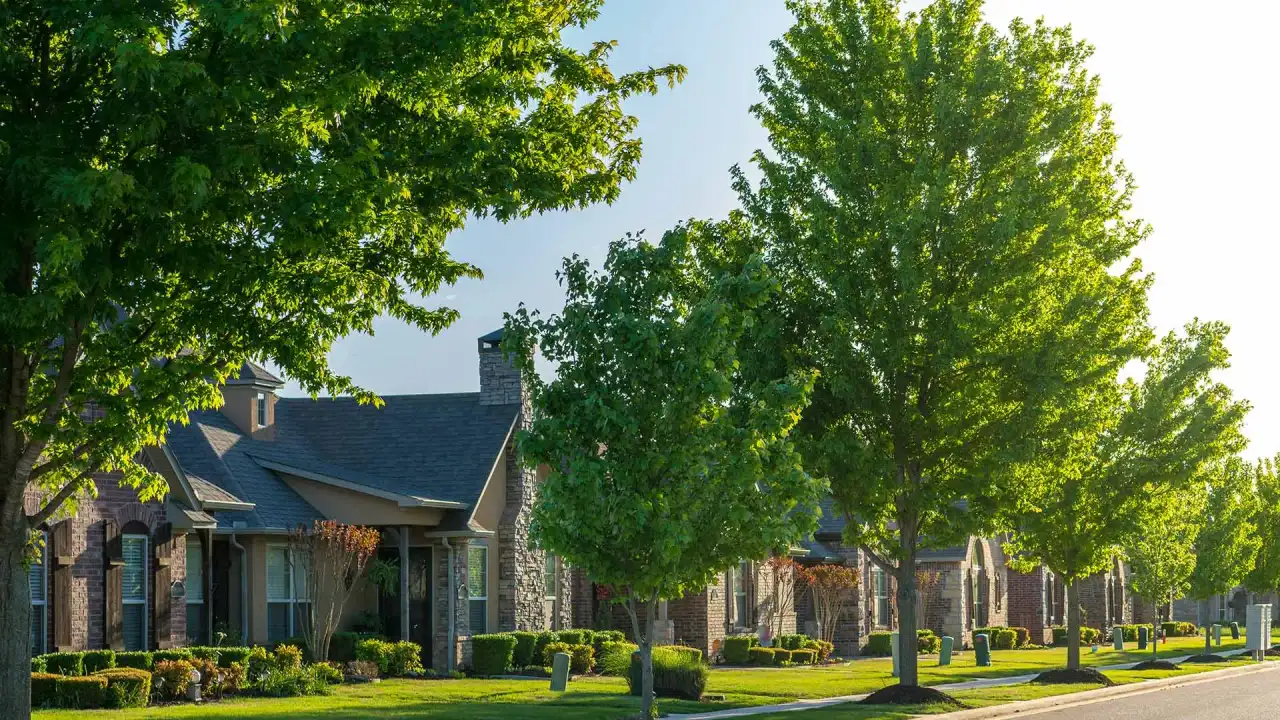
Of everything we install, landscape lighting produces the most consistent reaction. People expect it to look nice. What surprises them is how much more they use the yard.
Here is what it actually does, what it costs, and why September is the moment to think about it.
What It Is Actually For
Three separate jobs, and most people are buying only one of them without realizing the others come along.
The first is usable hours. In North Texas summer, the yard is genuinely uncomfortable until the sun goes down, and then it is dark. Lighting converts the pleasant part of the evening into time you can actually spend outside, which effectively extends the season at both ends.
The second is how the property looks. A house with well designed lighting reads as considered and cared for after dark, and a large share of how a home is seen by visitors and passing traffic happens in the evening for months of the year.
The third is security and safety, and it is the one people undervalue. A lit approach, lit steps, and lit changes in level prevent the kind of trip that ruins an evening. Well lit properties are also less appealing to anyone looking for an easy target, and that benefit costs nothing extra once the lights are in.
Why Fall Suits the Work
The practical arguments line up in the same direction.
Installation involves trenching for low voltage cable, and that is far more pleasant and more productive work at seventy degrees than at a hundred. Crews cover more ground per day, which shows up in scheduling.
If you are doing any planting this fall, and fall is the right season for it here, the lighting should be designed alongside it rather than retrofitted afterward. Running cable through a finished bed means disturbing plants you just paid to install.
And the payoff is immediate rather than deferred. Days are shortening, so a system installed in October is being used every evening from the week it goes in. A system installed in May sits largely unused until the following autumn.
The Types Worth Knowing
You do not need to specify these yourself, and knowing the vocabulary makes the design conversation far more useful.
Uplighting places a fixture at the base of a tree or architectural feature and washes light upward. On a mature live oak or a stone facade it is the single most dramatic thing you can do, and it is where most of the visual impact comes from.
Path lighting marks walkways and changes in level. The common mistake is spacing fixtures evenly like runway markers, which looks institutional. Better to place them where they are actually needed and let the pools of light overlap loosely.
Downlighting mounts fixtures high in a tree or under an eave and casts light downward, producing something close to moonlight through branches. It is subtle, it is the most natural looking effect available, and it is underused.
Then there is wash lighting for walls and fences, and accent lighting for specimen plants or features you want the eye drawn to.
What It Costs Here
Landscape lighting on a typical Fort Worth residential property generally runs $2,500 to $6,000 for a meaningful installation, with larger properties and more elaborate designs above that.
The number is driven by fixture count, the length of cable runs, transformer capacity, and how much trenching the layout requires. Hardscape in the way, meaning a driveway or patio that has to be bored under rather than trenched through, adds cost.
Fixture quality is where cheap installations are cheap. Low cost plastic fixtures fail within a few seasons in our heat and UV exposure, and replacing them means labor as well as parts. Cast brass and copper cost more up front and last, and they weather to a finish most people prefer anyway.
Ask what the fixtures are made of, what the warranty covers, and whether the transformer has capacity to add to the system later. That last one matters because almost everyone wants to extend a lighting system after they live with it for a season.
Design Mistakes to Avoid
The difference between lighting that looks designed and lighting that looks applied comes down to a few choices.
Too much light is the most common. The goal is contrast, not brightness. A yard lit evenly at high output looks like a parking lot, and the effect people actually want comes from pools of light with genuine darkness between them.
Color temperature is the second. Warm white generally suits brick, stone, and the plant palette we use here. Cool white reads harsh on warm materials and makes foliage look grey. Mixing temperatures across a property is the most frequent way an otherwise decent installation looks wrong.
Glare is the third. A fixture aimed so the source is visible from the patio or the street is uncomfortable and undoes the effect. Fixtures should be positioned or shielded so you see the lit surface rather than the bulb.
And symmetry for its own sake rarely helps. Lighting the two matching trees flanking a walk works. Lighting every shrub in a bed does not.
Low Voltage and What It Means Practically
Most residential landscape lighting runs at low voltage through a transformer, which has real practical consequences worth knowing.
It is safer to work around, which matters in a yard where people dig, and it means cable does not require the same burial depth and conduit as line voltage.
It also means the system can be extended later without rebuilding it, provided the transformer was sized with headroom. We generally specify more capacity than the initial design needs for exactly that reason.
Controls are worth deciding early. A photocell turns the system on at dusk, and a timer or smart controller lets you set an off time so the lights are not running all night. Most households settle on dusk until around eleven.
Maintenance Nobody Mentions
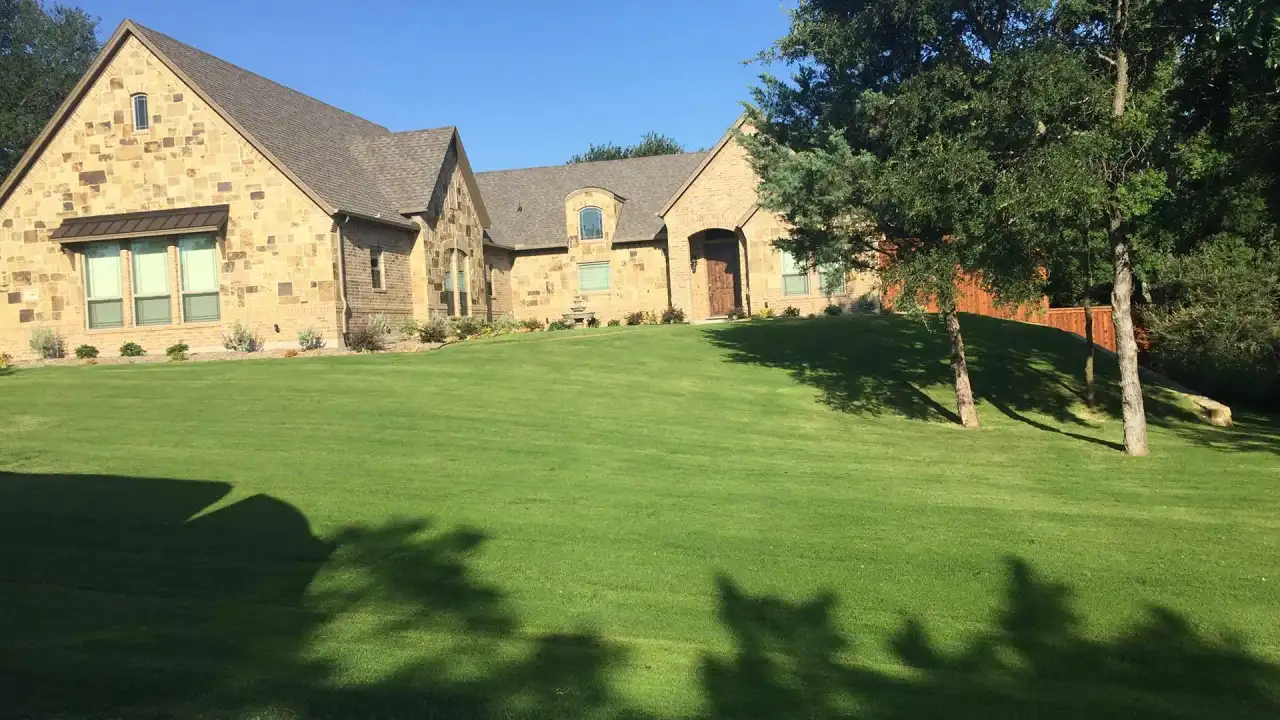
Landscape lighting is low maintenance rather than no maintenance, and knowing what it needs prevents the slow decline that makes a system look tired after a few years.
Fixtures get buried. Mulch settles, beds get topped up, and plants grow, so a fixture that was aimed perfectly in year one is half covered by year three. An annual pass to clean lenses, clear mulch away, and re-aim takes an hour and restores the whole effect.
Growth changes the design. A shrub that was two feet tall when the light went in becomes four feet and now blocks the beam. Uplights on a young tree need moving outward as the canopy widens.
Connections are the other item. Low voltage connections sitting in damp soil corrode over time, and the symptom is a single fixture dimming or dropping out rather than the whole run failing. Quality waterproof connectors at installation prevent most of it.
And string trimmers are the leading cause of severed cable in any landscape lighting system, so whoever maintains your beds should know where the runs are.
What to Do Next
Go outside after dark this week and look at your property from the street, then from wherever you would actually sit. Note what disappears at night that you would like to see, and where you have to feel your way along a path or step.
Pick out the two or three features genuinely worth lighting rather than trying to light everything. A mature tree, the front entry, and a change in level is a better starting list than a fixture in every bed.
If you would like a design, Buffalo Outdoor serves Fort Worth, Keller, Aledo, Saginaw, Benbrook, White Settlement, Lake Worth, Roanoke, and the surrounding area. Call 817-349-0580 or visit buffalooutdoor.com.
Here is what to expect. We will look at the property after dark rather than designing from a daytime walk, aim for contrast rather than coverage, and size the transformer so you can add to it later. If the honest answer is that three well placed fixtures would do more than fifteen, we will say so.