Short Answer: Spring is the most important season for Bermuda grass lawns in the Keller and Fort Worth area. Your spring checklist should include applying pre-emergent before soil temperatures hit 55 degrees (typically early to mid-March), scalping only if needed and at the right time, waiting for 50 percent green-up before the first fertilizer application, holding off on irrigation until temperatures are consistently warm, and scheduling a spring pest control treatment before fire ants and mosquitoes become established. Here is the complete breakdown with timing specific to our area.
If you are a homeowner in Keller, Fort Worth, or anywhere in Tarrant County, spring is the season that determines how your lawn performs for the rest of the year. The decisions you make between March and May set the foundation for everything that follows. Get them right and your Bermuda comes in thick, green, and resilient enough to handle the North Texas summer. Miss the windows and you spend June through September trying to catch up.
Here is what we recommend based on years of caring for lawns across Keller, Fort Worth, Aledo, Saginaw, Southlake, and the surrounding communities.
Early Spring (Late February to Mid-March): Pre-Emergent and Cleanup
Pre-emergent herbicide is the single most important spring treatment for your lawn. It creates a barrier in the soil that prevents crabgrass, goosegrass, and other summer annual weeds from germinating. In the Fort Worth area, soil temperatures typically reach the critical 55-degree threshold in early to mid-March, though unusually warm winters can push that earlier.
The application must go down before germination begins. Once crabgrass seeds sprout, pre-emergent cannot stop them, and you are left fighting established weeds with post-emergent products that cost more and work less effectively. This is the one window you absolutely cannot afford to miss.
Early spring is also the time for a general cleanup of your property. Remove any debris, fallen branches, and leftover leaves from winter. If your lawn has significant thatch buildup, a light scalp (lowering the mower by about half an inch below your normal height) can help remove dead material and let sunlight reach the green growth underneath. But do not cut Bermuda to the ground. That level of scalping removes stored energy and stresses the plant right when it is trying to wake up.
Mid-Spring (Late March to April): First Fertilizer and Weed Control
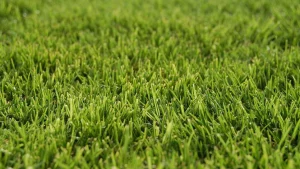
Wait for your Bermuda to reach at least 50 percent green-up before applying the first fertilizer of the season. In the Fort Worth area, this typically happens in late March or early April depending on temperatures. Fertilizing before the grass is actively growing wastes product and feeds the weeds that are already up while your Bermuda is still waking up.
A slow-release nitrogen fertilizer is the right choice for this first application. It provides steady nutrition over several weeks rather than a quick surge that pushes rapid top growth at the expense of root development. The goal in spring is to support strong, healthy root growth that will sustain the lawn through summer heat.
Mid-spring is also when broadleaf weeds like dandelions, clover, and henbit are most vulnerable to post-emergent treatment. They are actively growing, relatively small, and responsive to herbicide. The same weeds become much harder to control once they mature and set seed. A targeted broadleaf application in April catches them at their weakest.
Late Spring (May): Mowing, Watering, and Pest Prevention
By May, your Bermuda should be fully green and growing aggressively. This is when your mowing schedule picks up to weekly frequency. Set your mower to 1.5 to 2 inches for Bermuda and keep it consistent throughout the season. Never remove more than one-third of the blade in a single mowing, and keep your mower blades sharp. Dull blades tear the grass rather than cutting it cleanly, creating entry points for disease.
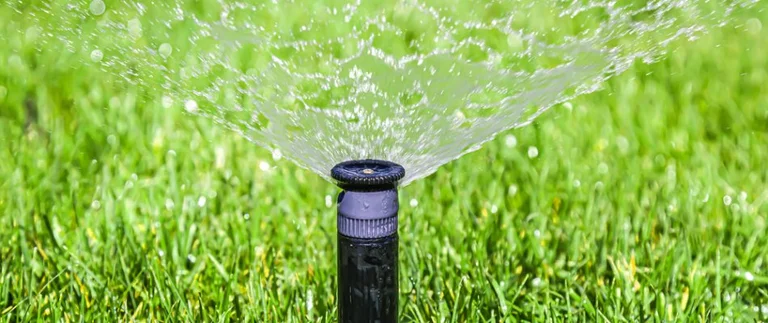
Hold off on supplemental irrigation until temperatures are consistently above 85 degrees and rainfall becomes unreliable. When you do start watering, go deep and infrequent: about 1 inch per week applied in one or two longer sessions. This trains roots to grow deep, building a lawn that handles heat stress and periodic dry stretches without constant intervention. Frequent, shallow watering does the opposite, creating a shallow root system that wilts at the first sign of real heat.
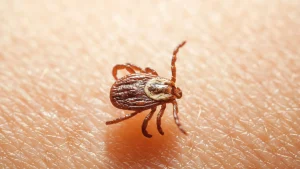
Late spring is also the time to get ahead of pest pressure. Fire ants are establishing new mounds, mosquitoes are breeding, and fleas and ticks are becoming active. A perimeter pest treatment in May creates a barrier that reduces pest populations before they reach peak levels in summer.
Spring Irrigation System Check
If your property has an irrigation system, spring is the time for a tuneup. Over the winter, heads can shift, lines can develop leaks, and nozzles can become clogged. A spring irrigation check ensures that every zone is delivering water evenly and efficiently before you start relying on the system during the hot months.
Uneven irrigation is one of the most common causes of patchy, inconsistent lawns in the Fort Worth area. One zone overwatering creates fungal disease conditions. Another zone underwatering creates dry, stressed turf. A properly calibrated system prevents both problems and can significantly reduce your water bill over the course of the season.
Disease Watch: Know What to Look For
Fort Worth area Bermuda lawns are susceptible to several spring diseases, and catching them early makes treatment far more effective. Brown patch can appear when nighttime temperatures are still cool and humidity is high. Take-all root rot shows up as yellowing patches that do not respond to fertilizer. Large patch creates circular areas of thinning, discolored turf.
If you notice any areas of your lawn that look off, specifically patches that are yellowing, thinning, or not greening up with the rest of the yard, it is worth having a professional evaluate the situation. Disease that goes undiagnosed and untreated in spring can spread throughout the summer and cause damage that takes a full season or more to recover from.
What to Do Next
If your Keller or Fort Worth area lawn needs spring attention, whether it is pre-emergent application, fertilization, pest control, mowing, or a full-property program, Buffalo Outdoor is here to help. We handle every aspect of outdoor property care so you get consistent results from a single team that knows your property.
Call us at (817) 349-0580 or visit buffalooutdoor.com to schedule your free estimate. Our 100% satisfaction guarantee means if we cannot make it right, you pay nothing. We are proud to be the highest rated outdoor services company in Tarrant County, serving homeowners across Keller, Fort Worth, Aledo, Saginaw, Benbrook, Southlake, Roanoke, Trophy Club, North Richland Hills, and communities throughout the area.