Short Answer: Take-all root rot is one of the most damaging diseases on St. Augustine lawns in North Texas, and it is the single most commonly misdiagnosed lawn problem we see. It looks like drought, like chinch bugs, like fertilizer deficiency, and watering or feeding more makes it worse. The defining diagnostic is the pull test: take-all damaged grass lifts out of the ground with no resistance because the roots are gone. Treatment requires a combination of soil pH correction, fungicide applied at the right soil temperature, and a multi-year recovery commitment. Watering more, fertilizing more, and aerating in summer all make the disease worse if you have not correctly identified it first.
If you have a St. Augustine lawn in the Fort Worth area that has been losing ground year over year despite proper care, take-all root rot is one of the first things we test for. We see it across Keller, Aledo, Benbrook, and Fort Worth, and it is responsible for a significant portion of the St. Augustine replacement work in the region. Homeowners spend thousands of dollars on the wrong treatments before someone identifies what is actually happening underground.
We want to walk you through what the disease is, how to confirm whether you have it, what actually works to manage it, and which common treatments waste money or accelerate the damage. By the end you will know whether to test, treat, or rule it out.
What Take-All Root Rot Is
Take-all root rot is a fungal disease caused by Gaeumannomyces graminis var. graminis, which attacks the roots and stolons (the runners) of St. Augustine grass. The fungus thrives in alkaline soils with poor drainage and high pH, which describes much of the soil under residential lawns in Tarrant County.
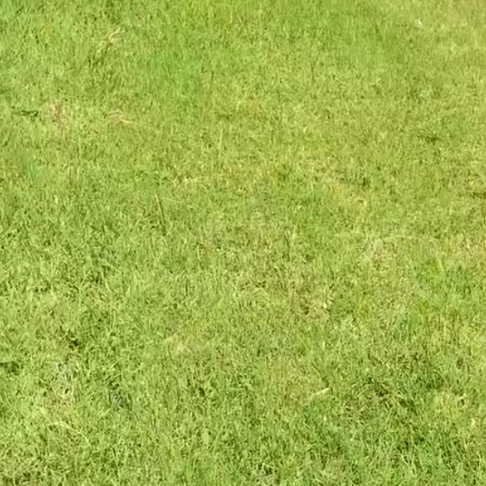
The disease attacks underground, not on the leaves. The grass blades look fine at first because they are still pulling whatever moisture the damaged roots can deliver. As the root system fails, the grass starts showing thirst symptoms even when watering is adequate. The lawn then yellows, thins, and eventually dies in irregular patches that expand season after season.
This is what makes take-all so difficult to catch. By the time you see the visible damage, the disease has been working on the root system for weeks or months. Diagnostic clarity requires looking at the roots, not the leaves.
How to Diagnose Take-All in Your Yard
The pull test is the gold standard for take-all diagnosis. Grab a handful of grass at the edge of a thinning or yellowing patch. Pull straight up with normal force. Healthy St. Augustine resists strongly, and when it comes up it brings soil and roots with it. Take-all damaged St. Augustine slides out of the ground with almost no resistance, and what comes up has short, black or dark brown roots, or sometimes almost no roots at all.
If the grass pulls up easily and the roots look short, dark, or rotten, you almost certainly have take-all. If the roots are long, light tan, and fibrous, you do not have take-all and the problem is something else (likely chinch bugs, drought, or compaction).
A second confirmation is the pattern of spread. Take-all expands in irregular patches over the course of weeks and months. Chinch bug damage expands in days. Drought damage browns evenly across exposed areas. Take-all patches often look like the lawn is being eaten away from the edges, with a noticeable boundary between healthy and damaged grass.
What Causes Take-All to Take Hold
Take-all needs a specific set of conditions to become a problem. The fungus is present in most North Texas soils at low levels and does not cause damage on healthy turf. The conditions that tip it from background presence to active disease include high soil pH (above 7.2 is the danger zone), alkaline irrigation water (much of Fort Worth’s municipal water is alkaline), compacted poorly drained soil that stays moist longer than ideal, low soil organic matter, and stress from drought, mowing too short, or fertility imbalance.
Newer subdivisions on construction fill are particularly vulnerable because the soil profile combines all these conditions: high pH, compaction, low organic matter, and irrigation timing that often keeps the surface too wet.
What Actually Works for Treatment
Take-all is treatable but recovery is slow, and the right treatment requires multiple components working together over one to three years. Here is what actually moves the needle.
Soil pH correction. The single most important long-term intervention. Lowering soil pH from the 7.5 to 8.0 range down to 6.5 to 7.0 changes the chemistry that lets the fungus thrive. We use elemental sulfur applications spread across the growing season, with the rate calibrated to soil test results. This is a multi-year process, not a single application.
Fungicide applied at the right soil temperature. Systemic fungicides labeled for take-all (azoxystrobin and similar products) work when applied during active disease pressure, typically when soil temperatures at 4 inches are between 65 and 80 degrees. In our area that window is roughly mid-April through May and again in September and October. June applications can work but the soil may be too warm to optimize uptake.
Watering practice changes. Take-all is worsened by frequent shallow watering that keeps the soil surface moist. Shift to deep infrequent cycles (one to two times per week, early morning, applying about an inch total). The deeper watering also helps the surviving roots grow downward away from the most diseased zone.
Mowing height increase. St. Augustine fighting take-all should be at the upper end of its height range, 4 to 4.5 inches. The taller cut reduces stress and helps preserve what root mass remains.
Reduced nitrogen, increased potassium. Heavy nitrogen pushes top growth that the damaged roots cannot support. Potassium supports root development and stress tolerance. We adjust fertility programs significantly on take-all lawns.
Top-dressing with quality compost. Adding organic matter to the soil over time changes the biological environment in ways that suppress the fungus. This is a slow intervention but valuable for long-term recovery.
What Does Not Work (And Often Makes It Worse)
Watering more. Increases the soil moisture conditions the fungus prefers. We see this constantly: homeowner sees the lawn declining, assumes drought, increases watering, disease accelerates.
Nitrogen fertilization at high rates. Pushes top growth that overwhelms the damaged root system. The lawn looks slightly better for a week and then collapses worse.
Aeration in summer on a diseased lawn. Spreads fungal spores deeper into the soil profile. If aeration is needed for a take-all lawn, it should be done in fall after temperatures cool.
Generic broad spectrum fungicides. Most products labeled for “lawn diseases” do not have take-all on the label and will not control it. Take-all specifically requires systemic chemistry approved for the disease.
Replacing the sod without addressing soil pH. We see this regularly. A homeowner replaces 500 square feet of dead St. Augustine with fresh sod, the soil chemistry remains alkaline, and the new sod develops take-all within 18 months.
The Realistic Recovery Timeline
Take-all recovery is not fast. Here is what to expect when treatment is done correctly.
First 3 to 6 months. Disease spread stops or slows dramatically. The remaining damage stabilizes. Visible improvement is minimal.
6 to 12 months. Soil pH starts to shift. Surviving grass produces new runners that fill in some of the affected areas. Slow visual improvement.
12 to 24 months. Soil chemistry continues to improve. Recovery accelerates. By the end of year two, most lawns that started with moderate damage are 70 to 90 percent recovered.
24 to 36 months. Final recovery. Soil conditions become unfavorable for the fungus. Long-term resistance is established.
This timeline assumes proper treatment throughout. Half-measures or interrupted programs reset the clock.
When to Replace Instead of Treat
For lawns with severe damage (more than 40 to 50 percent of the lawn affected), the right move is usually a combination of partial sodding to restore appearance plus the soil correction program to prevent recurrence. Replacing sod without the underlying soil correction is wasted money.
For lawns where the homeowner does not want to commit to the multi-year treatment program, conversion to a more disease-resistant grass (Bermuda, certain Zoysia varieties) is a legitimate option. The conversion is significant work but produces a lower-maintenance result long-term.
What to Do Next
If your St. Augustine has been losing ground over the past one to three years and the pull test confirms easy lifting with short or dark roots, we are happy to come out, pull a soil sample for a full lab analysis, and put together a realistic treatment plan. Take-all is one of those problems where the right diagnosis and program in year one saves multiple years of frustration and replacement cost down the road.
Call us at (817) 799-6823 or visit buffalooutdoor.com to request your quote. As the fastest growing and highest rated outdoor services company in Tarrant County, with awards including Best of Fort Worth in 2022, 2024, and 2025, and Inc. 5000 recognition in 2023, we bring a level of expertise and accountability that is hard to match. Our 100% satisfaction guarantee means if we cannot make it right, you pay nothing. We serve homeowners across Keller, Aledo, Saginaw, Benbrook, Fort Worth, Southlake, Roanoke, Trophy Club, North Richland Hills, and communities throughout the area.